
In modern eye care, precision is everything. Whether you are an optometry student, a practicing optometrist, or an ophthalmic professional, one diagnostic instrument stands out for its reliability and accuracy: the Retinoscope. As we move into 2026, the Retinoscope remains a cornerstone of objective refraction, helping eye care professionals determine refractive errors with confidence.
This Ultimate Retinoscope Review 2026 is designed to give you a complete, easy-to-understand, and practical guide. If you are confused about how a Retinoscope works, which type is best, or whether investing in a modern Retinoscope is worth it, this article will answer all your questions.
We will explore the history, working principles, types, benefits, limitations, buying guide, and future trends of the Retinoscope. Every section is written in a human-toned, educational style to ensure clarity and real-world relevance.
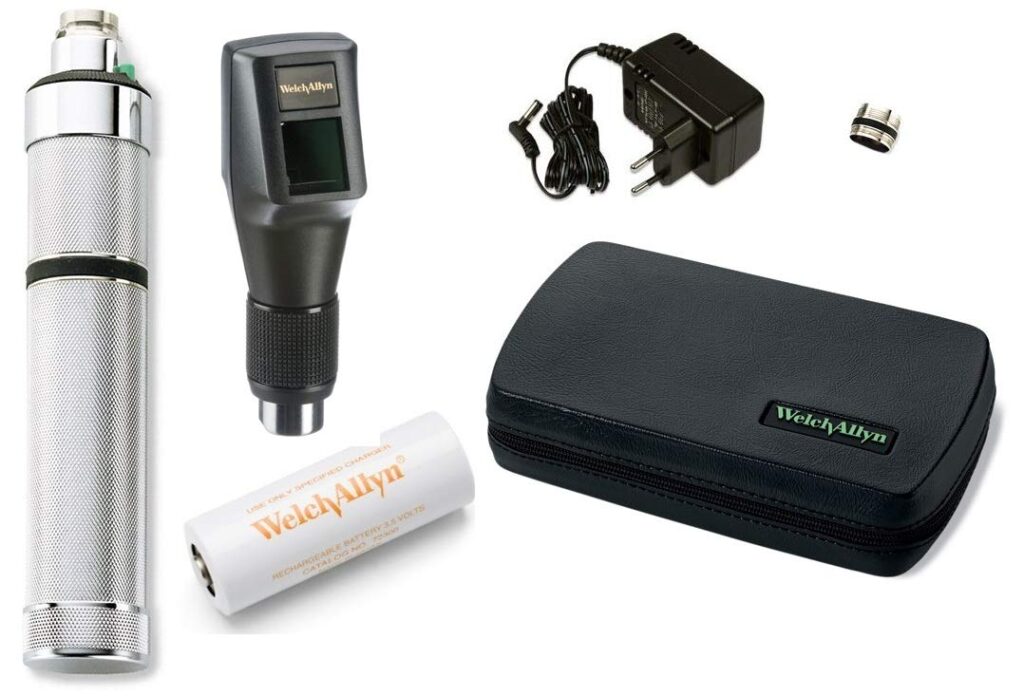
What Is a Retinoscope?
A Retinoscope is a handheld optical instrument used to objectively measure the refractive status of the eye. It allows the examiner to assess whether a patient is myopic, hyperopic, or astigmatic without relying solely on subjective patient responses.
The Retinoscope projects a beam of light into the patient’s eye. By observing the movement of the reflected light (retinal reflex) as the light is swept across the pupil, the examiner can estimate refractive errors accurately.
In clinical practice, the Retinoscope is especially valuable for:
- Children and infants
- Patients with communication difficulties
- Uncooperative or non-verbal patients
- Initial refraction assessments
Even with advanced autorefractors available in 2026, the Retinoscope remains irreplaceable due to its accuracy and clinical insight

Brief History of the Retinoscope
The Retinoscope has a rich history that reflects the evolution of optometry itself. Early forms of retinoscopy were developed in the late 19th century when clinicians realized the importance of observing retinal reflexes.
Over time, the Retinoscope evolved from simple mirror-based designs to advanced streak and spot models with halogen and LED illumination. By 2026, modern Retinoscope models are lighter, brighter, and more energy-efficient, offering superior optical performance.
Despite technological advancements, the core principle of the Retinoscope remains unchanged: objective and reliable eye examination.
How Does a Retinoscope Work?
Understanding how a Retinoscope works is essential for mastering its clinical use. The instrument emits a beam of light that enters the patient’s eye and reflects off the retina.
Retinal Reflex Movement
The examiner observes the direction of the reflex movement relative to the movement of the Retinoscope:
- With movement indicates hyperopia or low myopia
- Against movement indicates myopia
- Neutral reflex indicates correct lens power
By placing trial lenses in front of the patient’s eye and neutralizing the reflex, the examiner determines the refractive error.
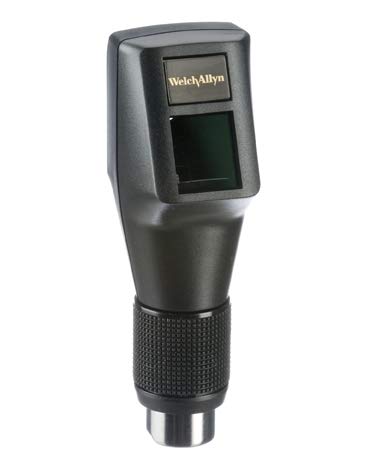
Working Distance Concept
The Retinoscope requires a fixed working distance, usually 50 cm or 67 cm. This working distance must be subtracted from the final prescription to achieve accurate results. Mastering the Retinoscope takes practice, but once learned, it becomes one of the most powerful diagnostic tools in eye care.
Types of Retinoscope Available in 2026
In 2026, the Retinoscope market offers several advanced options to meet different clinical needs. Understanding these types helps you choose the right Retinoscope for your practice.
Spot Retinoscope
A spot Retinoscope projects a circular beam of light. It is easy to use and commonly preferred by beginners. However, it provides limited information for astigmatism assessment.
Streak Retinoscope
The streak Retinoscope is the most widely used type in professional practice. It produces a linear streak of light that can be rotated, making it ideal for detecting and refining astigmatism.
LED Retinoscope
Modern LED Retinoscope models offer brighter illumination, longer battery life, and reduced heat generation. These features make LED Retinoscope units a popular choice in 2026.
Rechargeable Retinoscope
Rechargeable Retinoscope systems reduce battery costs and are environmentally friendly. They are especially useful in busy clinics and hospitals.
Why the Retinoscope Is Still Relevant in 2026
With advanced autorefractors and AI-based diagnostic tools available, many professionals ask whether the Retinoscope is still necessary. The answer is a strong yes.
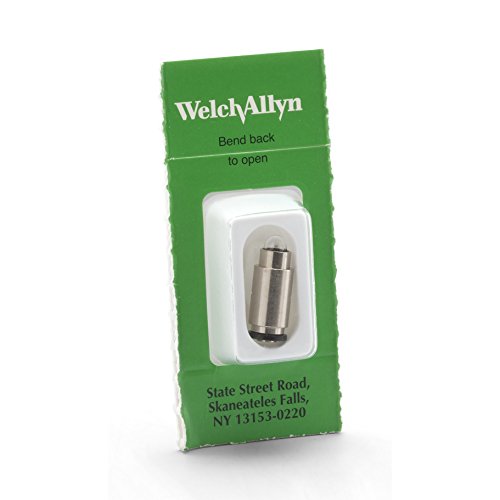
The Retinoscope provides:
- Objective refraction without patient bias
- Reliable results in difficult cases
- Better understanding of ocular media clarity
- Detection of irregular reflexes and media opacities
In pediatric optometry and low vision assessment, the Retinoscope remains unmatched
Advantages of Using a Retinoscope
The Retinoscope offers numerous benefits that justify its continued use.
High Accuracy
When used correctly, the Retinoscope delivers highly accurate refractive measurements.
Objective Assessment
Unlike subjective refraction, the Retinoscope does not depend on patient feedback.
Versatility
The Retinoscope can be used in clinics, hospitals, outreach programs, and field screenings.
Cost-Effective
Compared to advanced automated equipment, a Retinoscope is affordable and durable.
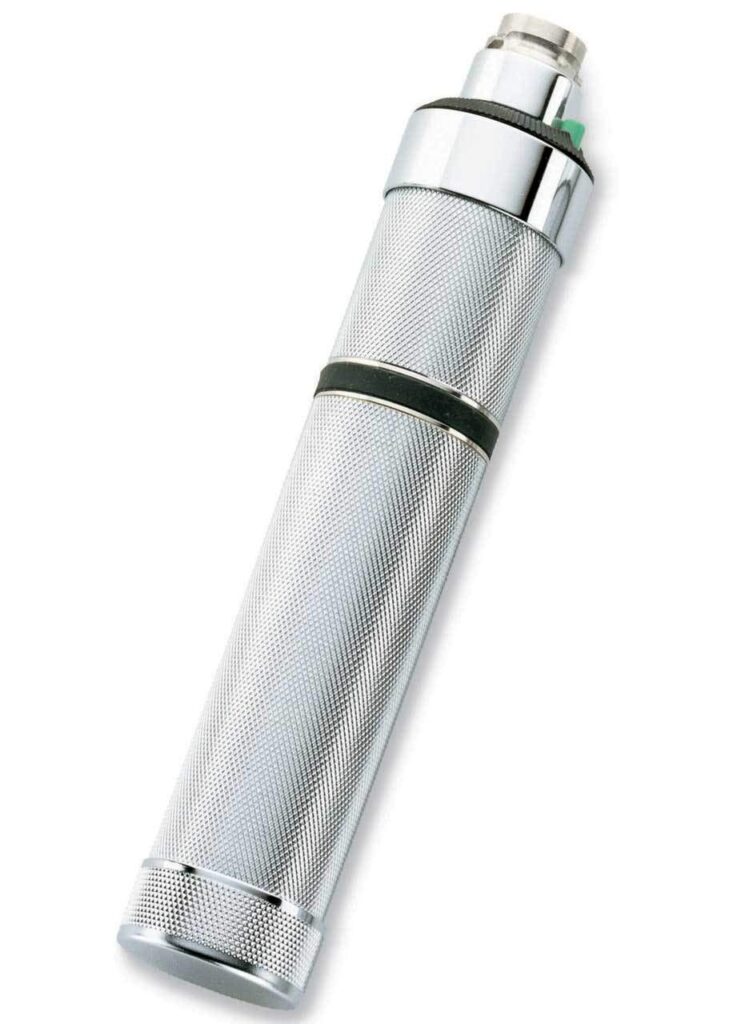
Limitations of the Retinoscope
While powerful, the Retinoscope is not without limitations.
- Requires skill and practice
- Results depend on examiner expertise
- Time-consuming compared to autorefractors
However, these limitations decrease significantly with experience and proper training.
Retinoscope vs Autorefractor
In 2026, both tools coexist in modern clinics. A comparison helps clarify their roles.
| Feature | Retinoscope | Autorefractor |
| Accuracy | Very high | High |
| Patient cooperation | Low required | Moderate required |
| Pediatric use | Excellent | Limited |
| Cost | Affordable | Expensive |
The Retinoscope remains the gold standard for confirmation and special cases
How to Choose the Best Retinoscope in 2026
When buying a Retinoscope, consider the following factors:
Illumination Type
Choose LED Retinoscope models for brightness and longevity.
Build Quality
A durable Retinoscope ensures long-term reliability.
Ergonomics
Lightweight and well-balanced Retinoscope designs reduce fatigue.
Brand Reputation
Trusted manufacturers provide consistent optical performance.
Who Should Use a Retinoscope?
The Retinoscope is essential for:
- Optometry students
- Clinical optometrists
- Ophthalmologists
- Vision therapists
Learning retinoscopy early builds strong diagnostic skills.
Maintenance and Care of a Retinoscope
Proper care extends the life of your Retinoscope.
- Clean lenses regularly
- Store in protective cases
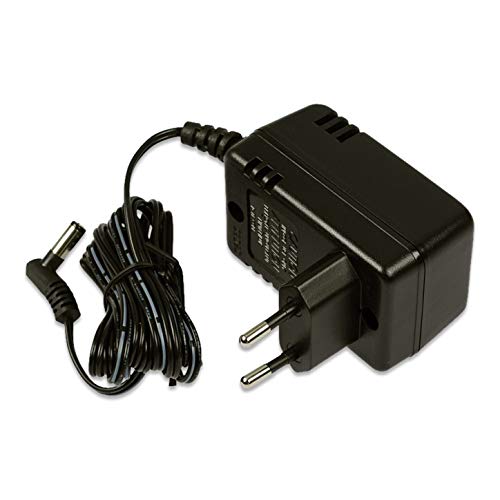
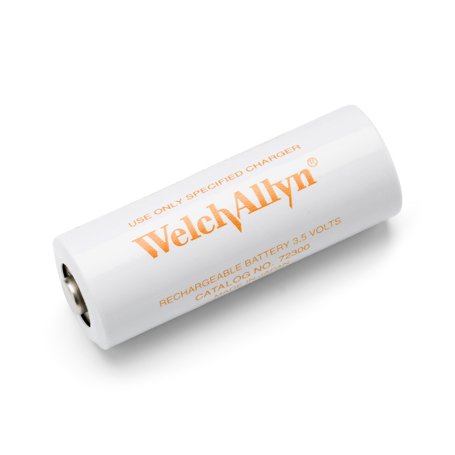
- Recharge batteries properly
- Avoid dropping the instrument
Well-maintained Retinoscope units maintain consistent performance.
Common Mistakes While Using a Retinoscope
Beginners often make mistakes such as:
- Incorrect working distance
- Poor fixation control
- Misinterpreting reflex movement
Regular practice and supervision improve Retinoscope accuracy.
Future of Retinoscope Technology
In the coming years, Retinoscope designs may integrate:
- Digital recording features
- Enhanced LED optics
- Smart connectivity
However, the fundamental role of the Retinoscope will remain unchanged.
What is a Retinoscope used for?
A Retinoscope is used to objectively measure refractive errors of the eye, including myopia, hyperopia, and astigmatism. It is especially useful when patients cannot clearly communicate their visual responses, such as children or individuals with special needs.
Is a Retinoscope better than an autorefractor?
A Retinoscope is not a replacement for an autorefractor, but it is often more accurate in complex or pediatric cases. Unlike an autorefractor, the Retinoscope allows the examiner to directly observe the retinal reflex and detect media opacities or irregularities.
Can beginners learn to use a Retinoscope easily?
Yes, beginners can learn to use a Retinoscope with proper guidance and regular practice. While it requires skill development, many optometry students master retinoscopy early in their training because it builds strong clinical foundations.
Which type of Retinoscope is best in 2026?
In 2026, the streak Retinoscope with LED illumination is considered the best option for most professionals. It offers better control, accurate astigmatism assessment, and long-lasting illumination compared to older models.
Is a Retinoscope still relevant in modern eye clinics?
Absolutely. Even in 2026, the Retinoscope remains highly relevant. It provides objective results, works well in difficult examination conditions, and serves as a reliable confirmation tool alongside advanced diagnostic machines.